Current location:International Interactions news portal > politics
Paris Olympics opening ceremony on river Seine will last nearly 4 hours
International Interactions news portal2024-04-19 11:41:08【politics】3People have gathered around
IntroductionPARIS (AP) — With sunset and moonlight gleaming on the river, the grandiose opening ceremony for the
PARIS (AP) — With sunset and moonlight gleaming on the river, the grandiose opening ceremony for the Paris Olympics will last nearly four hours.
A total of 205 delegations will parade on more than 80 boats on the Seine. The ceremony will drift slowly from east to west, bridge to bridge, snaking six kilometers (3.7 miles) from Pont d’Austerlitz to Pont d’Iéna.
Proceedings begin at 3:45 p.m. and finish at 11:15 p.m. local time with artistic performances preceding the athletes’ parade.
The athletes will motor past about 320,000 fans wedged in behind security cordons on upper and lower tiers on the embankments. Others will gaze at giant screens beaming images of the ambitious ceremony.
“For one evening, the Seine will be transformed into a giant open-air ceremony,” Paris Games director of ceremonies Marie-Catherine Ettori said during a media briefing on Thursday.
Address of this article:http://www.triple-v.org/edu/eng/social-learning-service-learning/
Very good!(969)
Related articles
- Temporary 911 outages reported in Nebraska, Texas and other states
- China's whole
- Jets score 4 goals in 1st period, beat Avalanche 7
- Disciplinary inspector expelled from CPC, public office
- Olivia Dunne congratulates LSU teammate on winning top award ahead of semifinals meet
- Senior CPC official stresses study of Xi's works
- China's top legislature to set up deputies affairs commission
- Chinese vice premier stresses deepening SOE reform
- Depleted New Zealand batting first against Pakistan in T20
- Xi's vision can serve as pillar of multilateralism
Popular articles
Recommended
As earnings season rolls into its heart, hopes rise for broader gains
Xi replies to letter from Chinese paratroopers
Policeman killed in explosion in NW Pakistan
Xi: Accelerate upgrading of industries

Natalie Portman shows Benjamin Millepied what he's missing in sexy see
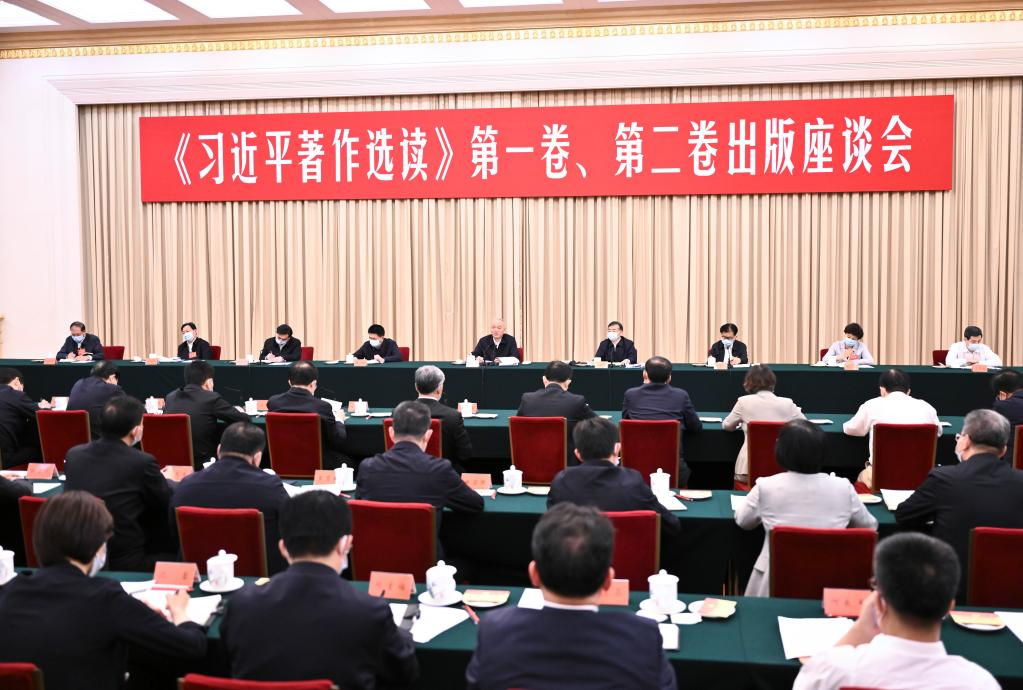
Senior CPC official stresses study of Xi's works
Senior CPC official stresses study of Xi's works
Xi's article calls on young officials to shoulder mission of the times
Links
- Xi Focus: Xi Jinping Leads China's Drive Toward Rural Modernization
- Xi Story: Xi's Simple Meals
- Xi Stresses Writing New Chapter in China's Constitution Practice in New Era
- Xinhua Headlines
- Chinese, Czech Presidents Hold Virtual Meeting
- Xi Congratulates Lula on Inauguration as Brazilian President
- Beijing looks to boost green technology development
- Xi Focus: 17
- Almost 100 aftershocks recorded overnight following Taiwan's 7.3
- Xi Presents Certificate of Order to Promote Military Officer to Rank of General